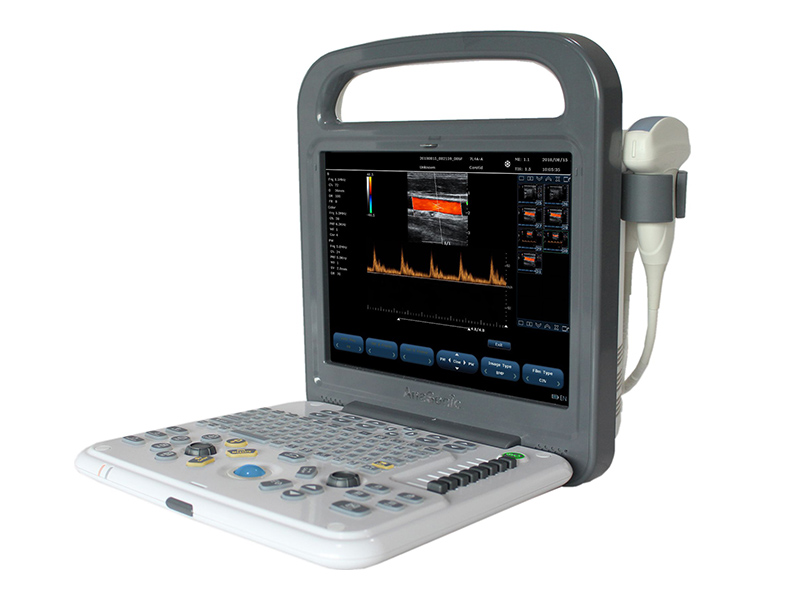
Power Supply Solution for Portable Medical Workstations (19V DC Input)

Explore how 19V DC power adapters provide safe and reliable power for portable medical workstations. Learn key requirements, challenges, and design considerations for medical carts.
medical portable Power Solution

Project Overview

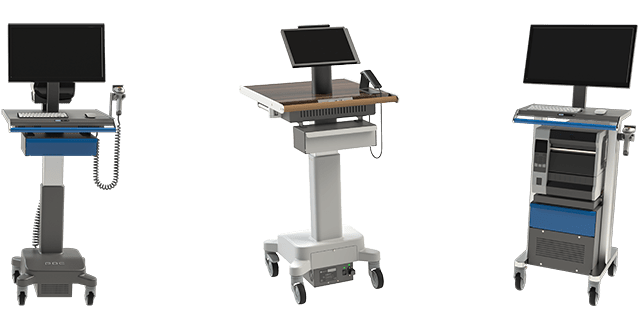
A medical equipment manufacturer was developing a portable medical workstation designed for hospital and clinical environments. The system integrated computing modules, displays, and multiple medical peripherals, requiring a reliable external power solution with stable DC output, medical-grade safety performance, and long-term operational reliability. To meet the system requirements, XJK Power provided a customized 19V 6.3A (120W) medical power adapter solution designed for mobile medical workstation applications. The project focused on solving key power challenges including: Stable 19V DC power delivery for embedded computing systems Medical safety requirements for healthcare environments Continuous operation reliability Thermal management in compact mobile equipment Flexible integration with medical cart architectures
Project Type Medical Workstation Power Solution
Application Portable Medical Workstation / Medical Cart
Industry Healthcare Equipment
Power Requirement 120W
Output Specification 19V DC / 6.3A
Power Supply Type External Medical Power Adapter
Input Voltage 100-240V AC
Safety Requirement IEC 60601-1 Medical Safety
Protection Features OVP / OCP / SCP
Installation Method External Power Architecture
Main Challenges Stable operation, safety, heat management, mobility
Solution Customized 19V Medical AC/DC Adapter

Customer Challenge

Developing a reliable power solution for portable medical workstations required addressing several engineering challenges.

1. Stable Power for Embedded Computing Systems

The medical workstation integrated multiple electronic modules, including:

  • Industrial PC or embedded motherboard
  • Display system
  • Medical peripherals
  • Communication modules

These components required a stable 19V DC input to maintain reliable system operation.

The customer needed a power adapter capable of supporting dynamic load changes while minimizing voltage fluctuation and electrical noise.


2. Medical Safety Compliance Requirements

Because the workstation was used in healthcare environments and operated near patients, electrical safety was a critical consideration.

The power solution needed to support:

  • Low leakage current design
  • Enhanced electrical isolation
  • IEC 60601-1 medical safety requirements

A standard commercial adapter could not provide the required medical-grade protection level.


3. Continuous Operation and Reliability

Medical carts are commonly used for long periods in:

  • Hospitals
  • Clinics
  • Emergency environments

The power system needed to support extended operation while maintaining:

  • Stable output performance
  • Reliable thermal behavior
  • Long service life

4. Thermal Management and System Integration

Medical workstations contain multiple electronic components within limited enclosure space.

The customer needed a power architecture that could:

  • Reduce internal heat generation
  • Simplify system layout
  • Improve overall equipment reliability

An external medical adapter was preferred to move heat dissipation outside the workstation enclosure.


5. Mobility and Maintenance Requirements

Since medical carts are frequently moved between different areas, the power solution needed to provide:

  • Flexible cable connection
  • Reliable connector performance
  • Easy replacement and maintenance

XJK Engineering Solution

19V 6.3A (120W) Medical Power Adapter

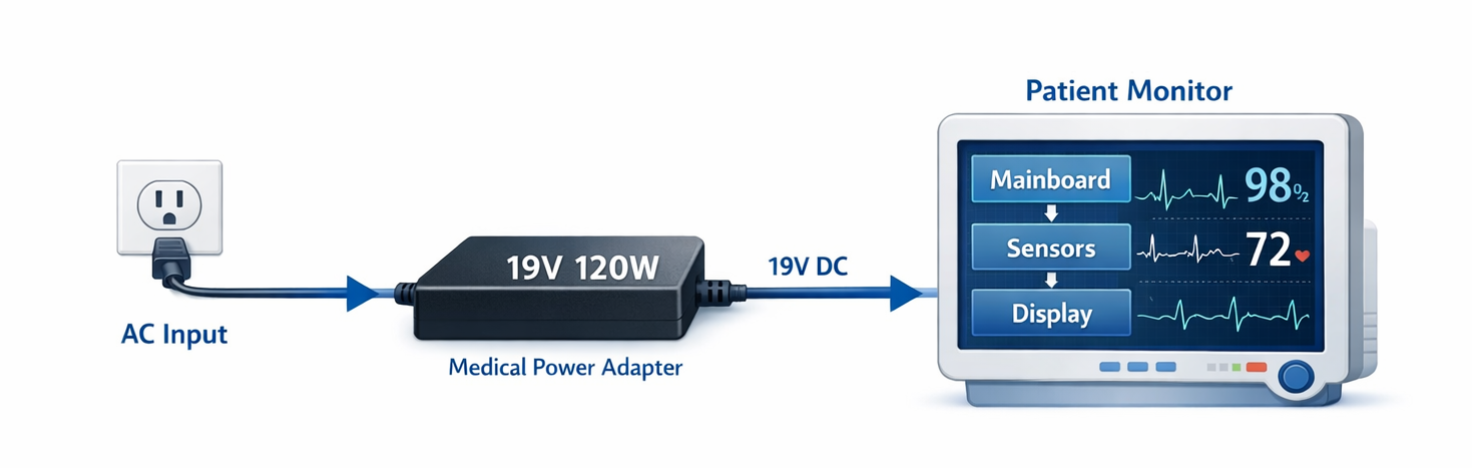
Based on the customer’s portable medical workstation requirements, XJK Power provided a 19V 120W medical AC/DC power adapter solution optimized for mobile healthcare equipment.


Stable 19V DC Power Delivery

The solution provided:

  • 19V DC output
  • 6.3A rated current
  • Stable voltage regulation
  • Low ripple and noise performance

This ensured reliable operation for embedded computing platforms, displays, and connected medical peripherals.


Medical-Grade Safety Design

The adapter was developed for medical applications with consideration of:

  • IEC 60601-1 safety requirements
  • Low leakage current performance
  • Reinforced insulation design

This provided a safer power foundation for patient-area medical equipment.


External Power Architecture Optimization

Using an external medical adapter provided several system advantages:

  • Reduced internal thermal load
  • Simplified workstation enclosure design
  • Improved maintenance flexibility
  • Easier system integration

Protection and Reliability Features

The power adapter included essential protection functions:

  • Over-voltage protection (OVP)
  • Over-current protection (OCP)
  • Short-circuit protection (SCP)

These features helped improve system safety and operational reliability.

How We Develop a Custom Power Supply

Our engineering process helps  device manufacturers move efficiently from requirement definition to production-ready power solutions.

Step1
Requirement
Review

Review voltage, current, connector, plug type, installation environment, and medical device requirements.

Step2
Engineering
Evaluation

Electrical feasibility assessment, connector matching, and product configuration planning.

Step3
Prototype
Development

Prototype recommendation or customized sample preparation based on project requirements.

Step4
Compliance &
Validation

Review safety expectations, EMC considerations, and application-specific requirements.

Step5
Sample
Approval

Functional verification and customer-side evaluation before production.

Step6
Production &
Delivery

OEM production support for customized healthcare power solutions.

Technical Design Considerations

During the power integration process, several engineering factors were considered.


1. Output Voltage Compatibility

The 19V DC output was selected based on the internal architecture of the medical workstation.

Many embedded computing platforms and industrial motherboards are designed around 19V input requirements, making it a practical choice for:

  • Medical PCs
  • Display modules
  • Healthcare IT systems

2. Power Capacity and Load Management

A 120W power rating provided sufficient power margin for systems containing:

  • Computing modules
  • Displays
  • Peripheral devices

The design considered possible load variations during startup and operation.


3. Electrical Safety and Isolation

Medical applications require stricter electrical safety performance compared with industrial electronics.

Key design considerations included:

  • Isolation distance
  • Leakage current control
  • Insulation structure
  • Safety protection mechanisms

4. Thermal Performance

Because medical workstations often operate continuously, thermal management was an important design factor.

The external adapter design helped:

  • Move heat away from internal electronics
  • Improve enclosure temperature control
  • Support long operating periods

5. Mechanical and Cable Integration

For mobile medical equipment, connector and cable reliability are important.

The solution considered:

  • DC connector compatibility
  • Cable durability
  • Easy installation and replacement

Project Result

By integrating the 19V 120W medical power adapter solution, the customer achieved:

Reliable Medical Workstation Operation

The stable 19V DC output supported continuous operation of embedded computing systems, displays, and medical peripherals.


Improved Safety Performance

The medical-grade power architecture helped the workstation meet healthcare equipment safety expectations.


Optimized System Design

The external adapter approach reduced internal heat generation and simplified workstation mechanical design.


Enhanced Product Development Efficiency

With XJK Power’s OEM/ODM support, the customer was able to accelerate power integration and focus on the development of the medical workstation system.

FAQ

1. What voltage do portable medical workstations use?

Many use 19V DC, especially those based on embedded computing systems.


2. Why use external power adapters in medical carts?

They improve safety, reduce internal heat, and simplify certification.


3. Can a 120W adapter support a medical workstation?

Yes, 120W is sufficient for most configurations depending on peripherals.


4. Is IEC 60601 required for medical workstations?

Yes, it is essential for ensuring electrical safety in medical environments.

Need a Reliable Power Solution for Portable Medical Workstations?

Portable medical workstations require dependable power for continuous operation, mobility, and stable system performance in healthcare environments. Shenzhen Xinjukang Technology (XJK Power) Co., LTD supports OEM healthcare equipment manufacturers with customizable power solutions designed for portable medical carts, workstation systems, and embedded healthcare electronics.

Related Posts

Request a Quote

Leave your requirements and we’ll get back to you within 24 hours.