Introduction
Selecting the right OEM power supply supplier is a critical decision for companies developing medical devices, industrial equipment, and commercial electronic products.
A power supply is not only a component that provides electrical power. It directly affects product safety, certification approval, reliability, and long-term product performance.
Many OEM buyers evaluate suppliers based only on:
- Unit price
- Production capacity
- Delivery time
However, for demanding applications such as medical equipment and industrial systems, these factors alone are not enough.
A reliable OEM power supply manufacturer should also provide:
- Strong engineering capability
- Industry-specific compliance knowledge
- Custom design support
- Stable manufacturing processes
- Long-term supply reliability
This guide explains the key factors engineers and purchasing teams should evaluate when selecting an OEM power supply supplier for medical and industrial applications.
Why Choosing the Right OEM Power Supply Supplier Matters
A power supply failure can create serious problems during product development and commercial deployment.
The wrong supplier may lead to:
- Certification failures
- Product redesign
- Delayed product launches
- Unstable production quality
- Supply chain risks
For medical and industrial products, selecting a supplier with the right technical experience during the early development stage can significantly reduce project risks.
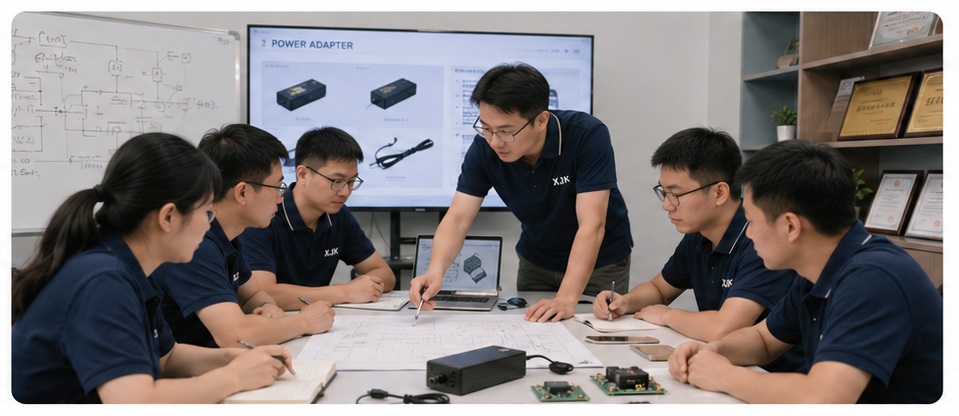
1. Evaluate Engineering and R&D Capability
A capable OEM power supply supplier should provide more than standard catalog products.
Many applications require customized solutions based on:
- Output voltage
- Output current
- Power rating
- Mechanical dimensions
- Connector requirements
- Operating environment
Before selecting a supplier, engineers should evaluate whether the manufacturer can support:
Electrical Customization
Including:
- Output voltage adjustment
- Current optimization
- Circuit modifications
- Power efficiency improvements
Mechanical Customization
Including:
- Enclosure design
- DC cable options
- Connector customization
- Label and packaging requirements
Design Optimization
A strong engineering team should be able to provide suggestions regarding:
- Thermal performance
- Component selection
- Reliability improvement
- Safety considerations
For OEM projects, engineering support is often more important than simply finding a low-cost supplier.
2. Check Experience in Medical and Industrial Applications
Different industries have different power supply requirements.
A supplier experienced in consumer electronics may not understand the requirements of medical or industrial equipment.
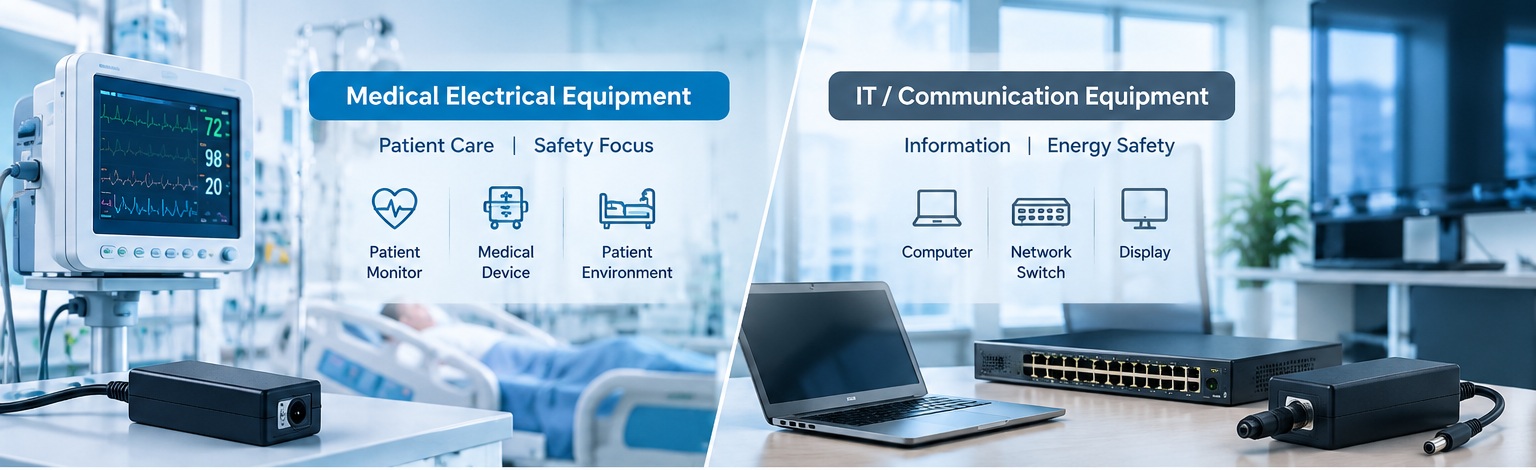
Medical Power Supply Experience
Medical applications typically require stricter safety considerations, including:
- IEC 60601-1 compliance
- MOOP/MOPP protection
- Leakage current requirements
- Isolation design
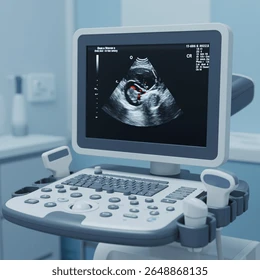
Examples of medical applications:
- Diagnostic equipment
- Medical imaging systems
- Patient monitoring devices
- Portable healthcare equipment
Industrial Power Supply Experience
Industrial applications often require:
- Long operating hours
- Stable output performance
- Reliable operation under continuous load
- Industrial safety compliance
Typical applications include:
- PLC systems
- Industrial controllers
- Networking equipment
- Embedded industrial devices
Choosing a supplier with relevant industry experience helps ensure the power supply matches the real application environment.
3. Verify Certification and Compliance Capability
Certification requirements are one of the most important factors when selecting an OEM power supply manufacturer.
A qualified supplier should understand not only how to manufacture products, but also how certification requirements affect product design.
Common standards include:
| Standard | Application |
|---|---|
| IEC 60601-1 | Medical electrical equipment |
| IEC 62368-1 | Industrial and IT equipment |
| CE | European market requirements |
| CB | International certification recognition |
| UL | North American market requirements |
A reliable supplier should be able to support:
- Certification evaluation
- Safety requirement review
- Testing coordination
- Technical documentation
For more information, see:
Power Adapter Safety Standards & Certification Guide
(Internal link)
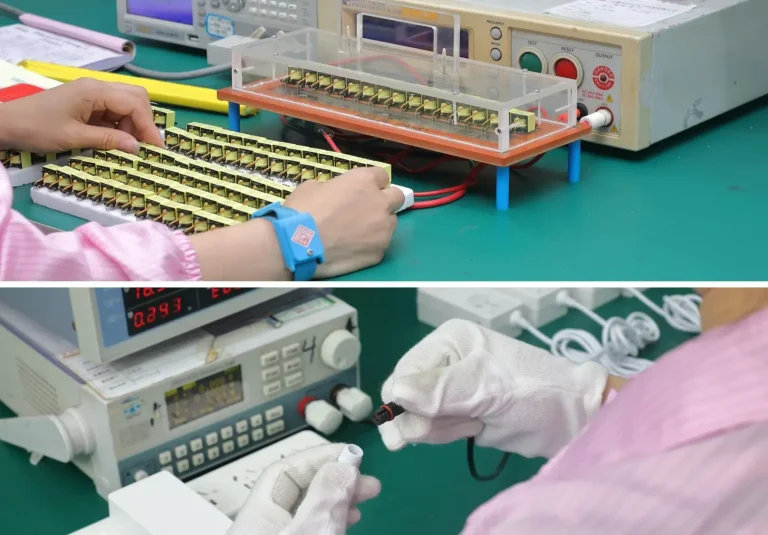
4. Review Manufacturing Capability and Production Control
A supplier’s manufacturing capability directly affects product consistency.
OEM buyers should evaluate:
Production Capability
Including:
- Production facilities
- Manufacturing processes
- Production capacity
- Quality management systems
Manufacturing Control
Important processes include:
- Incoming material inspection
- Assembly control
- Automated testing
- Final inspection
- Product traceability
A supplier that can support both prototype development and mass production is better positioned for long-term cooperation.
5. Evaluate Quality Control and Reliability Testing
Power supplies often operate continuously for thousands of hours.
Quality control should include both manufacturing inspection and reliability evaluation.
Important tests may include:
Electrical Safety Testing
Including:
- Hi-pot testing
- Insulation testing
- Grounding verification
Performance Testing
Including:
- Output voltage stability
- Load testing
- Efficiency testing
Reliability Testing
Including:
- Burn-in testing
- Temperature testing
- Long-term operation testing
For applications such as medical and industrial equipment, reliability testing is especially important.
6. Confirm OEM Customization and Development Flexibility
A true OEM power supply manufacturer should support customers from concept development to mass production.
Customization capabilities may include:
Product Specifications
- Voltage
- Current
- Power rating
- Input requirements
Mechanical Design
- Adapter dimensions
- Cable length
- Connector type
- Mounting requirements
Product Documentation
- Labels
- User manuals
- Packaging
- Certification documents
A flexible supplier can help customers develop products that better match their equipment requirements.
7. Assess Technical Communication and Support
Good communication is essential for successful OEM projects.
During development, engineers often need support with:
- Specification review
- Design feedback
- Testing issues
- Certification questions
A professional supplier should be able to communicate technical information clearly and provide practical engineering solutions.
This is especially important when working with overseas manufacturing partners.
8. Consider Long-Term Supply Capability
Selecting an OEM supplier is not only about completing one project.
Long-term customers should consider:
Production Stability
Can the supplier maintain consistent quality over years of production?
Does the supplier have strategies for:
Component Management
- Component availability
- Product lifecycle management
- Alternative components?
Continuous Support
Can the supplier support:
- Future product updates
- Production expansion
- Technical improvements?
A reliable supplier becomes a long-term development partner rather than just a component vendor.
Key Questions to Ask Before Selecting an OEM Power Supply Supplier
Before starting cooperation, OEM buyers should ask:
| Question | Why It Matters |
|---|---|
| Can you customize voltage, current, and connectors? | Determines development flexibility |
| What certifications can you support? | Ensures market compliance |
| Do you have experience in medical or industrial applications? | Reduces application risks |
| Can you provide prototype samples? | Supports product validation |
| What reliability tests are performed? | Ensures product quality |
| Can you support long-term production? | Reduces supply chain risks |
Why OEM Customers Choose XJK Power
XJK Power specializes in customized AC/DC power adapter solutions for medical, industrial, and commercial applications.
With more than 20 years of manufacturing experience, we support customers from initial requirements analysis to mass production.
Our capabilities include:
Customized Power Supply Development
Supporting:
- Voltage and current customization
- Connector customization
- Mechanical design adjustment
- Product optimization
Medical and Industrial Application Experience
Supporting solutions for:
- Medical equipment
- Industrial automation
- Networking devices
- Commercial electronics
Certification Support
Supporting projects requiring:
- IEC 60601-1
- IEC 62368-1
- CE
- CB
OEM Manufacturing Support
From prototype development to volume production, XJK Power helps customers develop reliable power solutions for global markets.
Conclusion
Choosing the right OEM power supply supplier requires more than comparing prices.
For medical and industrial applications, engineering capability, certification knowledge, manufacturing quality, and long-term reliability are key factors that determine project success.
By evaluating these factors carefully, OEM companies can reduce development risks and build more reliable products.
XJK Power provides customized AC/DC power adapter solutions with engineering support from initial design evaluation through mass production.