Energy efficiency standards have become a critical consideration for power supply manufacturers and OEM clients alike. In particular, DOE Level VI in the United States and EU CoC Tier 2 in Europe set stringent requirements for external power supplies, compelling manufacturers to optimize their products for reduced energy consumption. Compliance is not only a regulatory necessity but also a reflection of technical expertise and reliability. This article explores the logic behind these standards and why manufacturers must align their products accordingly.
1. Overview of DOE Level VI Standard
The Department of Energy (DOE) Level VI standard, implemented in 2016, defines minimum efficiency and maximum no-load power requirements for external power supplies. Key points include:
- Efficiency requirements: Specifies minimum energy conversion efficiency at various load levels.
- No-load power limits: Reduces energy waste when the adapter is plugged in but not powering a device.
- Product coverage: Applies to a wide range of AC-DC external power supplies commonly used in consumer electronics and industrial equipment.
For OEM clients, selecting a manufacturer capable of producing DOE Level VI compliant adapters ensures products meet regulatory requirements while minimizing energy consumption and operating costs.
2. Overview of EU CoC Tier 2 Standard
The EU Code of Conduct (CoC) Tier 2 standard represents Europe’s push toward sustainable electronics. Its main objectives include improving power supply efficiency, reducing energy losses, and promoting environmentally friendly manufacturing. Key aspects:
- Efficiency metrics: Defines minimum conversion efficiency under different load conditions.
- No-load loss and thermal performance: Sets strict limits to minimize idle energy loss and prevent overheating.
- Certification and verification: Requires testing by accredited labs to validate compliance.
Manufacturers face technical challenges in meeting these standards, including advanced circuit design, component selection, and rigorous testing.
3. DOE Level VI vs EU CoC Tier 2: Key Differences for Power Adapter Compliance
Although DOE Level VI and EU CoC Tier 2 are both related to external power supply energy efficiency, they are developed for different markets and have different compliance frameworks.
Understanding the differences helps OEM customers select suitable power adapter solutions for global markets.
| Item | DOE Level VI | EU CoC Tier 2 |
|---|---|---|
| Region | United States | European market |
| Applicable Products | External power supplies and adapters | External power supplies |
| Main Purpose | Reduce energy consumption and standby losses | Improve energy efficiency and sustainability |
| Key Evaluation Factors | Average active efficiency and no-load power consumption | Efficiency performance and standby energy consumption |
| Compliance Focus | Mandatory energy efficiency requirement in the US | European energy efficiency initiative |
| Typical Applications | Power adapters, chargers, external PSUs | Power adapters and electronic equipment power supplies |
For manufacturers supplying global markets, understanding both requirements is important because a power adapter designed for one region may require additional evaluation before entering another market.
A professional OEM power supply manufacturer should consider regional energy efficiency requirements during the early design stage to avoid redesign and additional testing costs.
4. How Manufacturers Achieve Compliance
Manufacturers implement a combination of design, testing, and production strategies to meet DOE Level VI and EU CoC Tier 2 requirements:
- R&D Design Optimization: Enhancing circuitry for better conversion efficiency and lower standby power consumption.
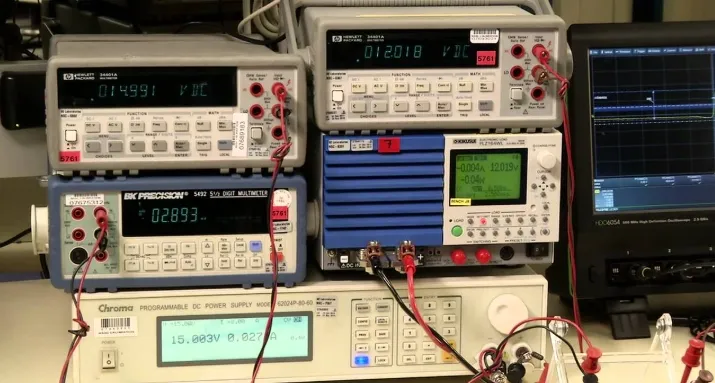
- Testing and Verification: Performing no-load and full-load efficiency tests, often with third-party certification.
- Material and Process Improvements: Using high-quality components, thermal management techniques, and low-loss transformers.
- Continuous Monitoring: Updating designs and manufacturing processes to keep up with evolving regulations.
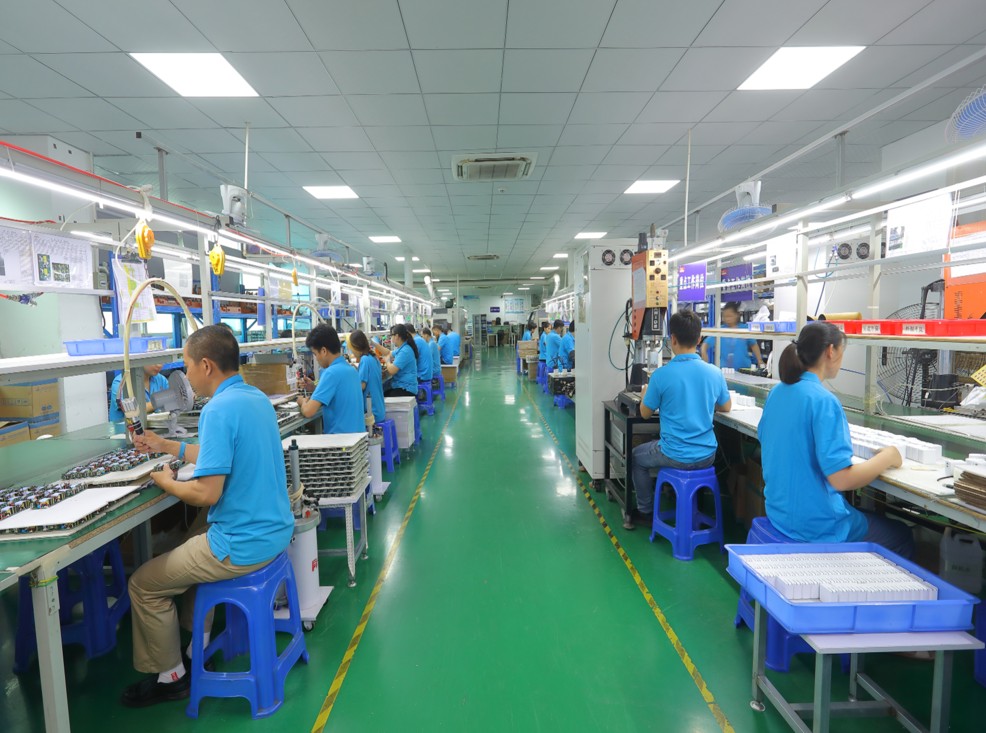
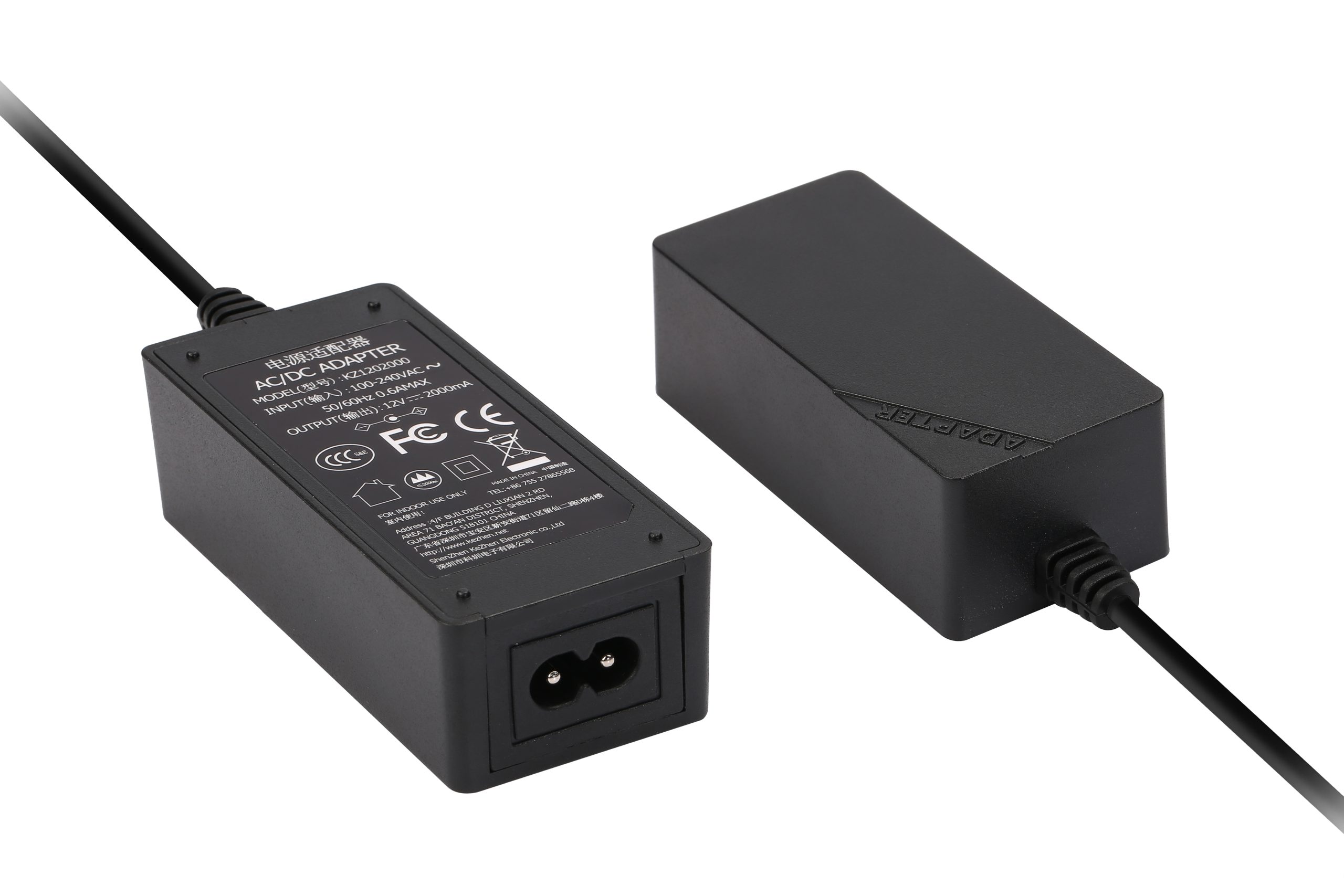
Shenzhen Xinjukang Technology (XJK Power) Co., LTD applies these strategies across its product line, including high-wattage and medical power adapters, ensuring both compliance and performance excellence.
5. How Are Power Adapters Tested for DOE Level VI and EU CoC Tier 2 Compliance?
Energy efficiency compliance is verified through standardized testing methods to evaluate power consumption under different operating conditions.
The main evaluation factors include:
No-Load Power Consumption Testing
No-load testing measures the energy consumed when the power adapter is connected to an AC source but is not supplying power to a device.
Reducing standby power consumption is an important requirement because many adapters remain connected to the power grid even when the connected equipment is not operating.
Active Mode Efficiency Testing
Efficiency testing evaluates how effectively the adapter converts AC input power into DC output power.
Testing is typically performed under multiple load conditions, including:
- Low load
- Medium load
- Full load
A well-designed power adapter should maintain high efficiency across different operating conditions.
Thermal and Reliability Evaluation
Energy efficiency is closely related to thermal performance.
During development, manufacturers evaluate:
- Component temperature
- Heat dissipation
- Continuous operation stability
Proper thermal management helps improve efficiency while extending product reliability.
For OEM customers, requesting efficiency test reports and understanding the testing method is an important step when evaluating a power supply supplier.
6.Why High-Wattage Power Adapters Require More Efficiency Optimization
Meeting energy efficiency standards becomes more challenging as power adapter output power increases.
For high-wattage adapters, such as 100W, 120W, and 180W models, manufacturers must carefully optimize electrical design and thermal performance.
Key challenges include:
Switching Loss Reduction
Higher power levels increase switching losses inside the power conversion circuit.
Engineers need to optimize:
- Switching frequency
- Power semiconductor selection
- Circuit topology
to improve overall efficiency.
Transformer and Component Optimization
High-quality transformers and low-loss components play an important role in reducing energy waste.
Component selection directly affects:
- Conversion efficiency
- Temperature rise
- Long-term reliability
Thermal Management
Higher output power generates more heat during operation.
Effective thermal design helps maintain:
- Stable output performance
- Component lifetime
- Safety compliance
For OEM customers developing industrial equipment, medical devices, and commercial systems, selecting a manufacturer with high-power design experience is essential.
7. How OEM Buyers Should Evaluate Energy-Efficient Power Supply Suppliers
For OEM companies, compliance is not only about choosing a power adapter that meets current regulations.
The supplier’s engineering capability and quality control process also determine long-term product reliability.
Before selecting a power supply manufacturer, OEM buyers should evaluate:
1. Certification and Testing Capability
Ask whether the supplier can provide:
- Efficiency test reports
- Compliance documentation
- Product specifications
A qualified supplier should understand how certification requirements affect product design.
2. Design Experience
OEM customers should evaluate whether the supplier has experience with:
- Different power levels
- Customized designs
- Industry-specific applications
3. Production Consistency
Energy efficiency performance must remain consistent between prototype samples and mass production units.
Important factors include:
- Component control
- Production testing
- Quality management
4. Long-Term Technical Support
A reliable supplier should support customers with:
- Design updates
- Component changes
- Certification maintenance
Working with an experienced OEM power supply manufacturer helps reduce compliance risks and improve product development efficiency.
Conclusion
DOE Level VI and EU CoC Tier 2 standards are more than regulatory obligations—they reflect a manufacturer’s technical competence and commitment to energy efficiency. For OEM clients, working with compliant suppliers mitigates risk, ensures reliability, and aligns with sustainable practices.
Shenzhen Xinjukang Technology (XJK Power) Co., LTD combines advanced R&D, stringent testing, and process optimization to deliver power supplies that meet or exceed global efficiency standards. OEM clients seeking reliable, high-performance, and compliant solutions are encouraged to contact XJK Power today to discuss project requirements.