
Choosing a power adapter manufacturer in China is not just about price — it’s about avoiding costly failures.
Many OEM buyers face issues such as failed certifications, unstable quality between batches, or poor thermal design that leads to field failures.
This guide provides a practical supplier evaluation checklist, along with common sourcing mistakes to avoid when selecting a power adapter manufacturer.
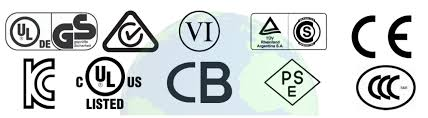
1. Verify Core Certifications and Compliance Standards
Before working with any supplier, always verify their certification portfolio. Reliable manufacturers will comply with multiple international safety and efficiency standards.
⚠️ Common issue:
Some suppliers provide incomplete or outdated certificates, or only test reports instead of full certification.
Always verify certificate numbers directly on official databases (UL, TÜV, etc.).
Here are the key ones to look for:
- UL / ETL (USA): Confirms that the product meets North American electrical safety requirements.
- CE (Europe): Ensures compliance with EU low-voltage and EMC directives.
- FCC (USA): Required for adapters used in devices emitting electromagnetic signals.
- CB & IEC 62368 / 60601: Proves international safety conformity; especially critical for medical power supplies.
- DOE Level VI / CoC Tier 2: Demonstrates high energy efficiency and low standby power consumption.
A professional factory like Shenzhen Xinjukang Technology (XJK Power) Co., LTD integrates all these standards into design and production, ensuring each product can be shipped worldwide without re-certification.
For a deeper explanation of these certification standards and how they affect global power supply sourcing, see our detailed guide: Power Adapter Certifications Explained for Importers & Engineers
2. Evaluate the Manufacturer’s Quality Control Process
A trustworthy power supply factory doesn’t just rely on certifications — it maintains strict internal quality management systems (QMS).
⚠️ Risk to watch:
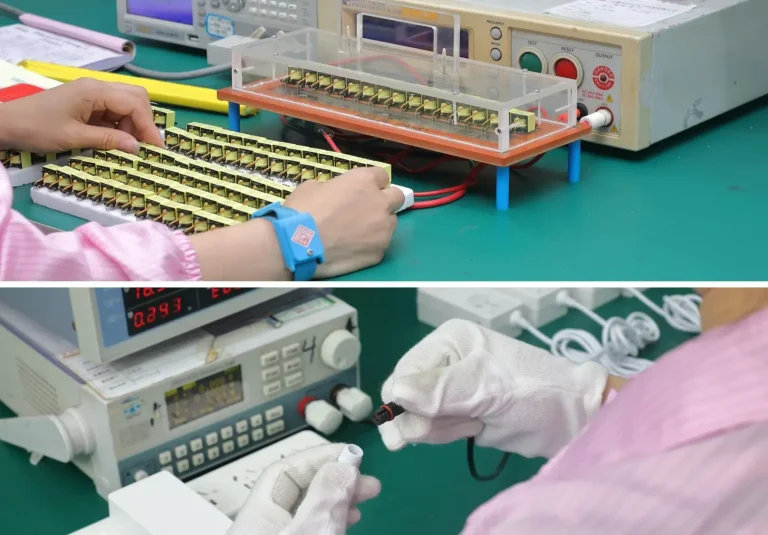
Some factories skip full-load aging tests to reduce cost, which can lead to early failure in the field.
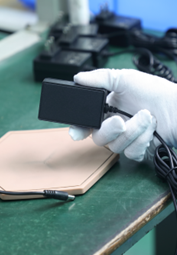
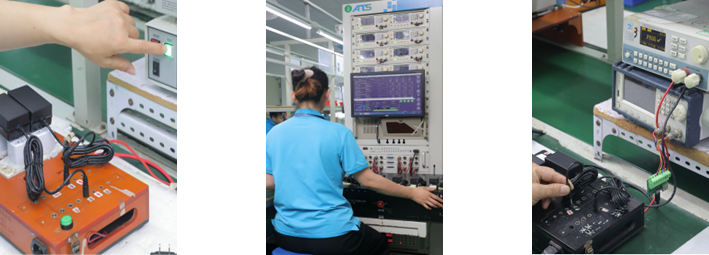
Ask your potential supplier about their testing and inspection process:
- Incoming Material Inspection (IQC): All components must be verified before assembly.
- In-Process Quality Control (IPQC): 100% electrical testing during production.
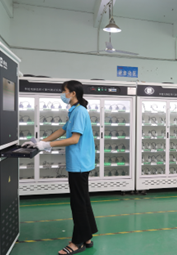
- Aging Test: Most XJK Power adapters undergo a 100% full-load burn-in test for 4–8 hours.
- Final Quality Control (FQC): Visual inspection, insulation test, and functional verification before packing.
- Outgoing Quality Audit (OQA): Random sampling ensures every shipment meets specifications.
Factories following ISO9001:2015 quality systems are typically more reliable for OEM collaboration.
3. Review Production Capacity and Customization Capabilities
For OEM and ODM clients, flexibility and scalability are key.
⚠️ Hidden problem:
Some suppliers can produce samples well, but fail to maintain consistency in mass production.
Check whether the manufacturer can:
- Design custom PCB layouts for different voltage and current requirements.
- Provide mechanical customization (housing design, connector type, cable length).
- Handle small-volume prototypes and mass production runs efficiently.
- Offer engineering support during product design (for EMI, thermal, and mechanical fit).
XJK Power, for example, offers custom solutions from 12W to 120W, supporting both open-frame and enclosed designs for consumer and medical applications.
4. Assess Testing Equipment and Lab Capabilities
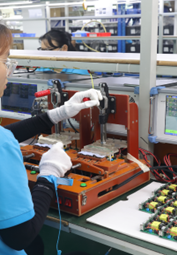
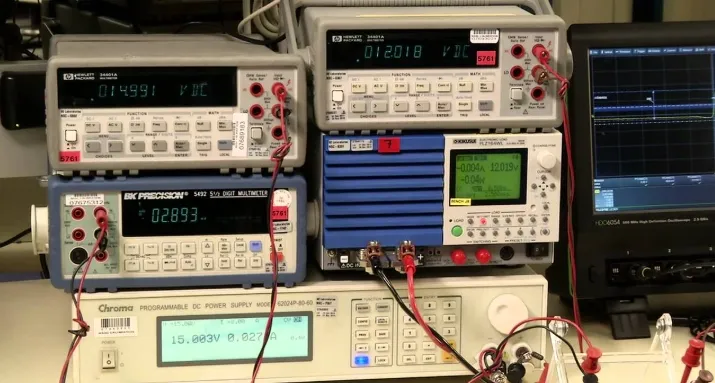
Reliable power adapter factories invest in professional testing facilities.
You should expect to see equipment for:
- Hi-pot and Ground Resistance Testing
- Surge and ESD Testing
- EMC Pre-Compliance Test Stations
- Load Regulation and Ripple Measurement
- Temperature and Humidity Aging Chambers
These capabilities indicate that the manufacturer performs in-house validation before sending samples to external labs, which shortens certification time and improves consistency.
5. Check Communication and After-Sales Support
Good engineering communication saves time and reduces costly design mistakes.
Choose a manufacturer that:
- Offers fast technical feedback within 24 hours;
- Provides detailed product documentation (datasheets, test reports, and CAD drawings);
- Has a clear warranty policy (typically 2 years or more for industrial/medical adapters);
- Supports long-term spare part supply and model continuity.
XJK Power’s export team, for instance, provides English-language technical support and full compliance documentation for OEM clients worldwide.
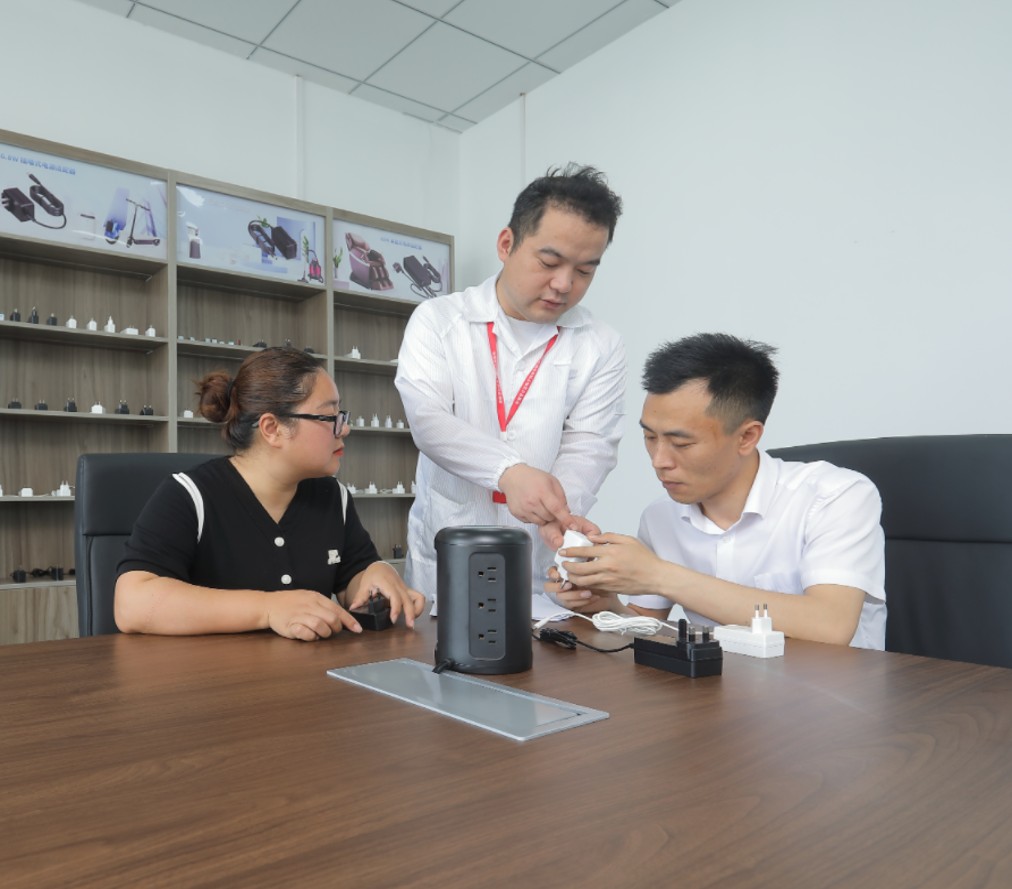
6. Visit or Virtually Audit the Factory
If possible, arrange a factory audit — either on-site or through a trusted third party.
During the audit, focus on:
- Cleanliness and organization of production lines
- Safety measures and ESD protection
- Storage of electronic components
- Testing stations at every stage
- Employee training and certification records
A factory that welcomes audits and transparent inspections is far more likely to be dependable in long-term cooperation.
Conclusion: Partnering with the Right OEM Power Supply Factory
Selecting the right power adapter manufacturer in China goes far beyond price negotiation.
It’s about choosing a partner that understands international standards, strict quality control, and long-term reliability.
Shenzhen Xinjukang Technology (XJK Power) Co., LTD combines:
- Full certification coverage (UL, CE, CB, FCC, DOE Level VI, EN60601)
- Over a decade of OEM/ODM experience
- 100% testing and aging for every adapter
- Flexible customization for medical, industrial, and consumer devices
If you’re looking for a trusted OEM power supply manufacturer that meets global compliance standards —Contact us.
Quick Supplier Evaluation Checklist
✔ Verified UL / CE / FCC certificates
✔ Full in-house testing capability
✔ 100% aging test (4–8 hours)
✔ Stable mass production experience
✔ Engineering support for customization
✔ Clear warranty and after-sales support