Introduction
Power supplies and battery chargers are essential components in modern electronic systems, but they serve fundamentally different purposes. Whether you’re designing industrial equipment, powering embedded systems, or charging portable devices, understanding the difference between a power supply and a battery charger is critical.
In this guide, we’ll explain how each works, highlight their key differences, and help you choose the right solution for your application.
What is a Power Supply?
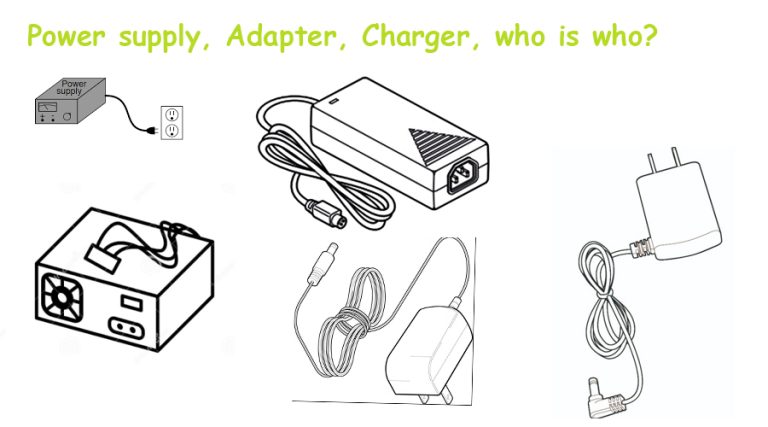
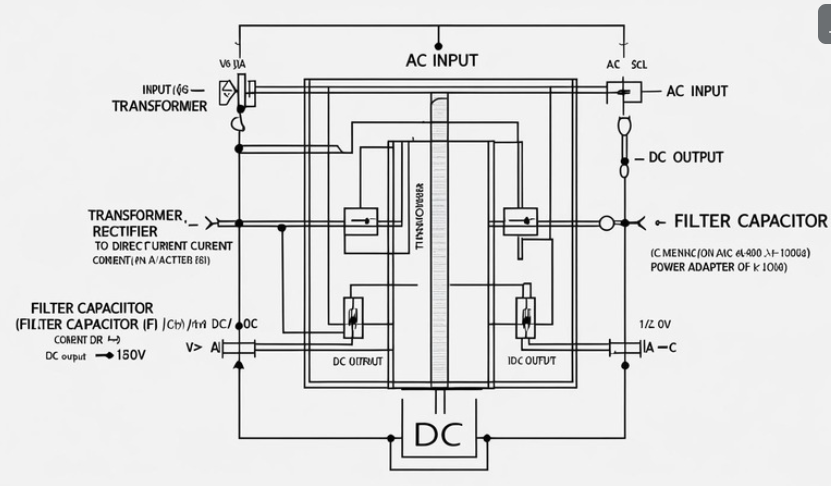
A power supply is an electronic device that converts electrical energy from a source—such as AC mains power—into a stable and regulated DC output required by electronic equipment.
Most industrial and commercial devices cannot operate directly from wall outlet power. Instead, they rely on a power supply to provide the correct voltage, current, and electrical stability required by internal circuits.
In typical applications, a power supply is responsible for:
- Converting AC (alternating current) into DC (direct current)
- Providing a stable output voltage (e.g., 5V, 12V, 24V, 48V)
- Ensuring consistent current delivery under different load conditions
- Protecting devices from electrical faults such as over-voltage, over-current, and short circuits
For example, medical equipment, industrial automation systems, networking devices, and POS terminals all rely on external or internal power supplies to operate safely and reliably.
A well-designed power supply is not just about power conversion—it is also about safety, efficiency, and long-term stability, especially in mission-critical applications where downtime is not acceptable.
Function:
It delivers a regulated and continuous voltage/current required for system operation.
Typical Applications:
- Industrial automation systems (PLC, control panels)
- Communication equipment
- Medical devices
- Consumer electronics
Key Characteristics:
- Converts AC to DC (most common)
- Provides stable, continuous output
- Designed for long-term operation
What is a Battery Charger?
A battery charger is a device specifically designed to safely recharge rechargeable batteries by controlling how electrical energy is delivered during the charging process.
Unlike a standard power supply, a battery charger does not simply provide a constant output voltage. Instead, it manages the charging process using controlled charging algorithms to protect the battery and extend its lifespan.
A typical battery charger performs functions such as:
- Regulating charging current and voltage based on battery status
- Using charging profiles such as CC (constant current) and CV (constant voltage)
- Preventing overcharging, overheating, and deep discharge damage
- Monitoring battery temperature and charge level during operation
Battery chargers are commonly used in portable devices such as laptops, handheld equipment, medical portable devices, and battery-powered industrial tools.
The key difference is that a charger is designed around battery chemistry and charging safety, while a power supply is designed around stable and continuous system operation.
Function:
It uses charging algorithms to safely charge batteries without overcharging or damaging them.
Typical Applications:
- Smartphones and laptops
- Power tools
- Electric vehicles
- Backup battery systems
Key Characteristics:
- Charges batteries for energy storage
- Uses controlled charging methods (CC/CV)
- Operates in cycles (charge → stop)
Key Differences Between Power Supply and Battery Charger
| Feature | Power Supply | Battery Charger |
|---|---|---|
| Primary Function | Provides stable DC power to electronic devices | Charges rechargeable batteries safely |
| Output Type | Fixed or regulated DC voltage | Controlled charging profile (CC/CV) |
| Operation Mode | Continuous power supply | Multi-stage charging process |
| Control Logic | Simple voltage/current regulation | Intelligent charging management |
| Battery Compatibility | Not designed specifically for batteries | Designed for specific battery chemistries |
| Typical Use | Industrial, medical, networking, POS systems | Laptops, handheld devices, battery packs |
| Safety Focus | Device protection & stable operation | Battery protection & lifespan optimization |
- Purpose:
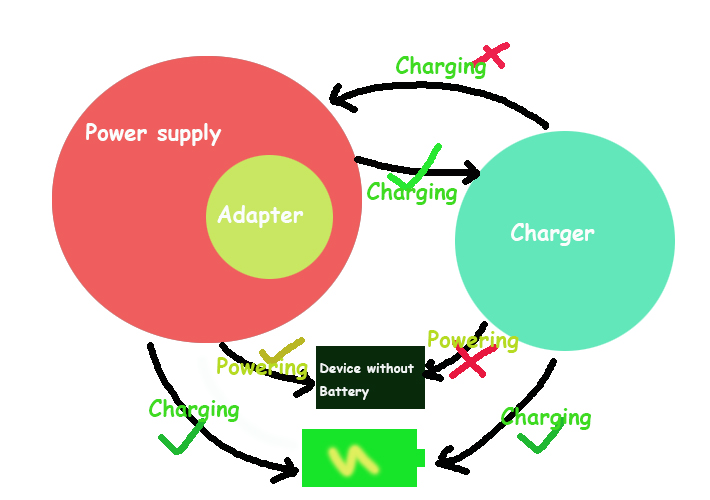
- A power supply continuously provides power to a device while it’s in use, ensuring the device operates effectively.
- A battery charger is used to recharge a battery so that it can store energy and power a device later.
- Functionality:
- A power supply converts incoming AC power into a usable DC form and regulates the output voltage and current.
- A battery charger uses specific charging algorithms to manage the charging cycle of the battery, ensuring it doesn’t overcharge or undercharge.
- Energy Flow:
- A power supply provides a constant flow of energy as long as the device is plugged in.
- A battery charger sends energy to the battery in a controlled manner and stops once the battery is fully charged.
- Continuous vs. Cyclical Operation:
- A power supply works continuously and operates as long as the device is on.
- A battery charger operates in a cyclical fashion: charge the battery, then stop once the battery is fully charged.
- Voltage and Current:
- A power supply typically outputs a steady voltage and current for the operation of the device.
- A battery charger adjusts the voltage and current according to the needs of the battery and charging stage.
Application Scenarios
Understanding the difference between a power supply and a battery charger becomes especially important when selecting solutions for real-world applications.
Power Supply Applications
Power supplies are widely used in systems that require continuous and stable power input, such as:
- Medical equipment (patient monitors, imaging systems)
- Industrial automation systems
- Networking devices (routers, switches)
- POS terminals and retail systems
- LED display and signage systems
In these applications, stability, safety, and long-term reliability are more important than energy storage.
Battery Charger Applications
Battery chargers are used in devices where energy storage and mobility are required, such as:
- Laptop computers and mobile workstations
- Portable medical devices
- Handheld industrial tools
- Battery-powered sensors and IoT devices
- Consumer electronics with rechargeable batteries
In these scenarios, charging safety and battery lifespan protection are the key design priorities.
How to Choose: Power Supply or Battery Charger?
Choosing the right solution depends on your application:
✔ Use a Power Supply when:
- Your device requires continuous, stable power
- No battery is involved in operation
- You are designing:
- Industrial control systems
- PLC or automation equipment
- Medical or communication devices
👉 In these cases, a regulated AC-DC power adapter is the correct choice.
✔ Use a Battery Charger when:
- Your system relies on energy storage
- Batteries need to be recharged safely
- Charging control and protection are required
⚙️ Important for OEM & Industrial Applications
In industrial and OEM environments, using a battery charger instead of a regulated power supply can lead to:
- Unstable system performance
- Voltage fluctuation issues
- Equipment damage or failure
For most embedded and industrial systems, a high-quality AC-DC power adapter is required to ensure reliability and compliance with efficiency standards such as DOE Level VI.
Conclusion
While power supplies and battery chargers both deal with electrical energy, their roles are completely different. A power supply ensures stable operation of electronic systems, while a battery charger manages energy storage.
Understanding this distinction is essential for selecting the right solution and ensuring long-term system performance.
To help you choose the right power solution, you may also explore the following resources: