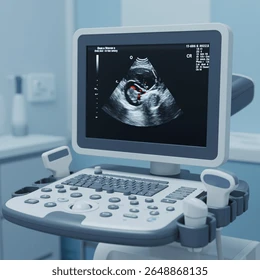
Case Study: 72W Medical Power Supply for Portable Ultrasound Diagnostic System

This case study explains how a 72W medical power supply is used in portable ultrasound diagnostic systems to ensure stable performance, low leakage current, and IEC 60601-1 compliance. It highlights key power design challenges and engineering solutions for medical imaging devices.

Portable ultrasound diagnostic systems have become increasingly important in modern healthcare. Compared with traditional cart-based ultrasound equipment, portable systems offer greater flexibility for point-of-care diagnostics, emergency medicine, rural healthcare, and veterinary applications.

However, designing a reliable portable ultrasound device requires more than advanced imaging technology. The power supply plays a critical role in ensuring patient safety, image quality, system reliability, and regulatory compliance.

In this case study, Shenzhen Xinjukang Technology (XJK Power) Co., LTD supported a medical equipment manufacturer developing a new portable ultrasound diagnostic platform by providing a 72W medical-grade external power supply solution.


Customer Project Overview

The customer was developing a compact portable ultrasound diagnostic system designed for:

  • Point-of-Care Ultrasound (POCUS)
  • Emergency departments
  • Community healthcare centers
  • Mobile medical services
  • Veterinary diagnostics

The system incorporated several power-intensive modules, including:

  • High-performance image processing processor
  • Ultrasound signal acquisition circuitry
  • LCD display
  • Data storage system
  • Communication interfaces
  • Battery charging subsystem

The engineering team required a medical-grade power solution capable of delivering stable power while meeting global medical safety standards.

Key project requirements included:

  • IEC 60601-1 compliance
  • 2 x MOPP patient protection
  • Universal AC input
  • Low leakage current
  • Compact external adapter design
  • Long-term reliability
  • Support for international market certifications

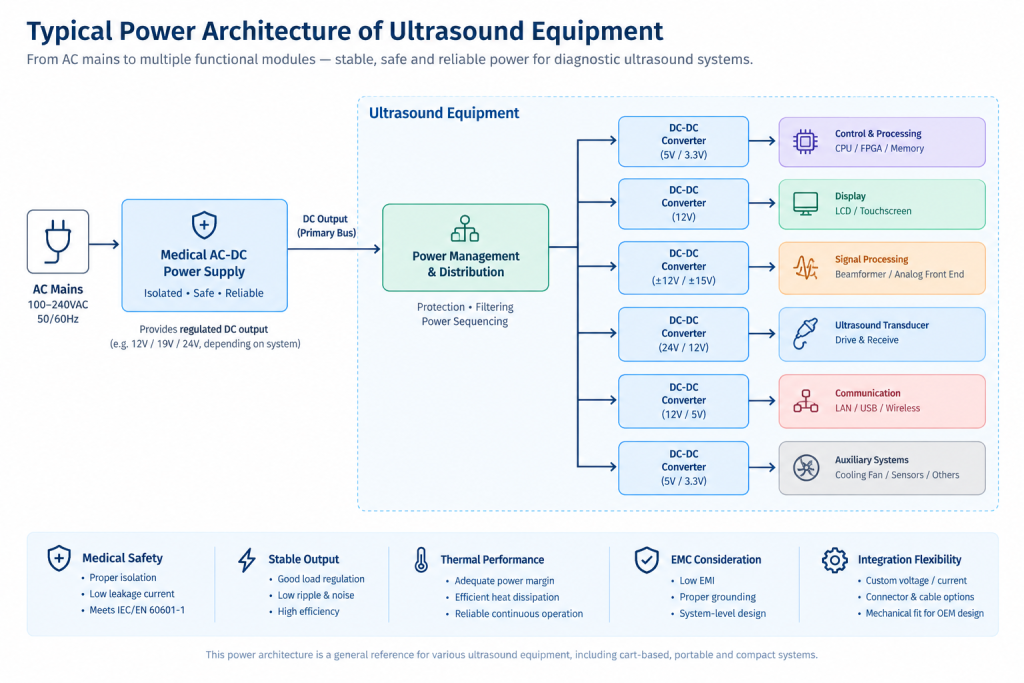
Power Architecture Analysis of the Ultrasound System

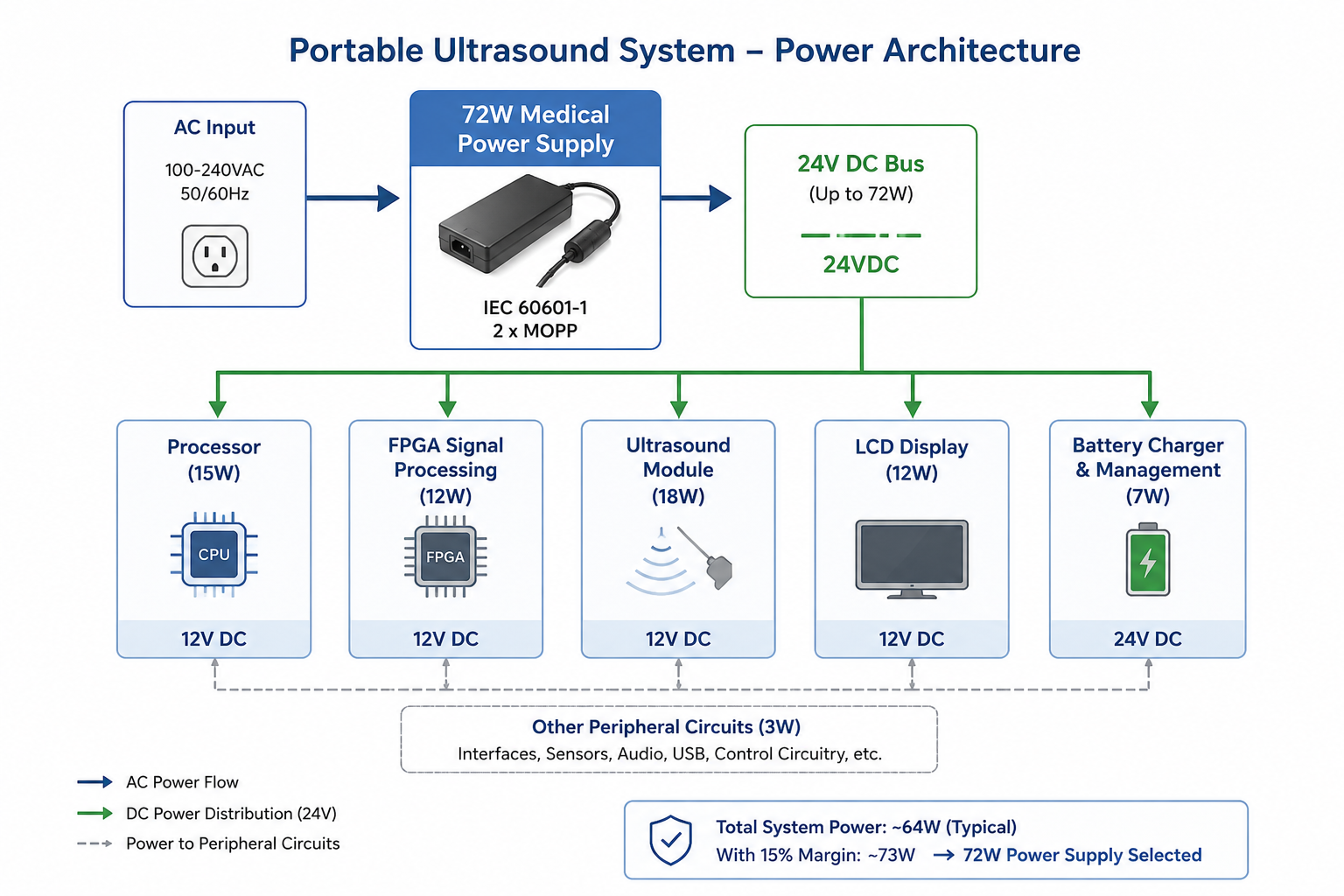
Before selecting the power supply, the customer performed a detailed power budget analysis.

The estimated power consumption of the system is shown below:

System ModuleTypical Power Consumption
Main Processor15W
FPGA Signal Processing12W
Ultrasound Front-End Electronics18W
LCD Display Module12W
Storage and Communication Interfaces3W
Cooling and Peripheral Circuits4W
Total System Consumption64W

Although the average operating power was approximately 64W, ultrasound systems often experience dynamic load changes during scanning, image processing, and data transmission.

Medical device designers typically reserve 10%–20% additional power margin to ensure stable operation under peak load conditions.

64W × 1.15 = 73.6W

Based on this analysis, a 72W medical power supply was identified as the most practical solution, providing sufficient operating headroom while maintaining compact size and high efficiency.


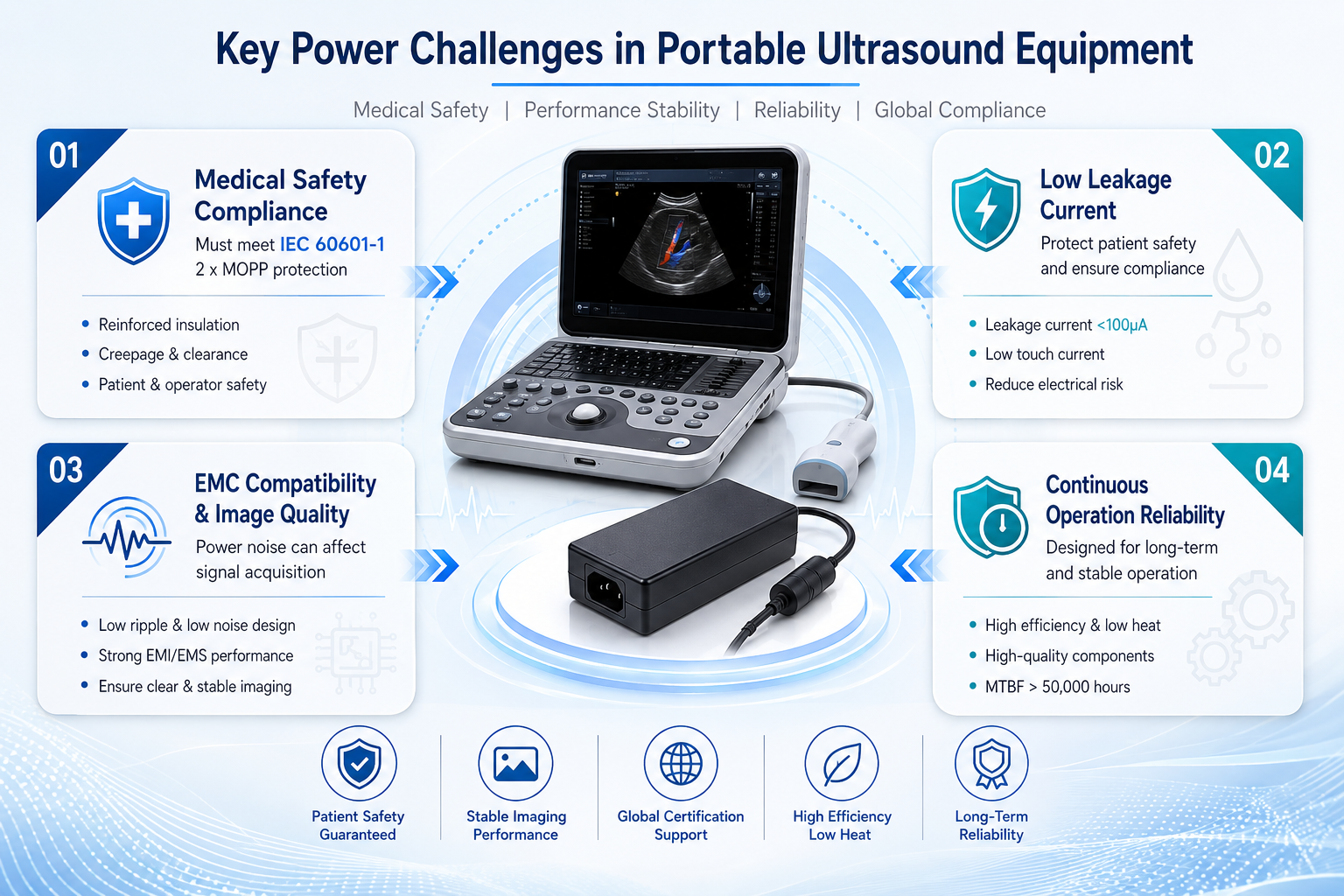
Key Power Challenges in Portable Ultrasound Equipment

Portable ultrasound systems present several unique power design challenges that differ from ordinary industrial electronics.

1. Medical Safety Compliance

Ultrasound devices operate in close proximity to patients and healthcare professionals.

The power supply must comply with medical safety standards including:

  • IEC 60601-1
  • 2 x MOPP protection
  • Reinforced isolation requirements

Failure to meet these requirements may prevent the device from entering regulated medical markets.

2. Low Leakage Current Requirements

Patient safety is a primary consideration for all medical equipment.

Because ultrasound probes remain in direct contact with patients during examinations, the power supply must maintain extremely low leakage current levels.

Low leakage current helps reduce electrical risk and simplifies medical certification testing.

3. EMC and Image Quality Performance

Ultrasound systems contain highly sensitive analog and digital circuits.

Excessive ripple noise or electromagnetic interference from the power supply can affect:

  • Signal acquisition accuracy
  • Image clarity
  • Diagnostic performance
  • EMC compliance testing

A properly designed medical power supply contributes to stable image processing and reliable diagnostic results.

4. Continuous Operation Reliability

Portable ultrasound devices are often used for extended periods in:

  • Hospitals
  • Emergency departments
  • Clinics
  • Mobile healthcare units

The power supply must withstand continuous operation while maintaining stable output performance under varying environmental conditions.

Long-life components and thermal management become critical factors for long-term system reliability.

These requirements are strictly controlled by experienced medical power supply manufacturers.


Why the Customer Selected XJK Power’s 72W Medical Power Supply

After evaluating multiple solutions, the customer selected XJK Power’s 72W medical-grade external adapter.

Key specifications included:

ParameterSpecification
Input Voltage100-240VAC
Output Voltage24VDC
Output Current3A
Rated Power72W
Efficiency>89%
Leakage Current<100μA
Safety ApprovalIEC 60601-1
Protection FunctionsOVP, OCP, SCP

The 24V output architecture also simplified the customer’s internal power conversion design, reducing PCB complexity and improving overall system efficiency.


Engineering Advantages Delivered by XJK Power

Stable Output Under Dynamic Load Conditions

Ultrasound imaging workloads can change rapidly during operation.

The 72W medical power supply maintains stable voltage regulation under varying load conditions, helping ensure consistent system performance.

Low Ripple and Noise Design

Low ripple output is particularly important in imaging equipment.

The medical-grade design minimizes electrical noise and reduces the possibility of interference with sensitive ultrasound signal processing circuits.

Benefits include:

  • Improved signal integrity
  • Better image consistency
  • Enhanced EMC performance

Medical-Grade Isolation Protection

The power supply incorporates reinforced isolation and medical safety protection measures.

This supports compliance with international medical standards while enhancing patient and operator safety.

Compact External Adapter Design

By utilizing an external medical power adapter, the customer was able to:

  • Reduce internal system temperature
  • Improve thermal management
  • Simplify enclosure design
  • Increase overall system reliability

This approach is widely adopted in portable medical equipment development.


Certification and Regulatory Support

As a professional medical power supply manufacturer, we provide full certification support.

In addition to hardware performance, the customer required comprehensive certification support for global market deployment.

XJK Power provided documentation supporting:

  • IEC 60601-1
  • CE
  • FCC
  • UKCA
  • RoHS
  • CB Scheme

Providing certification resources early in the development process helped shorten the customer’s product approval timeline and reduced engineering workload.


Project Results

Following integration and validation testing, the portable ultrasound system successfully achieved project objectives.

Key outcomes included:

  • Stable system operation during continuous testing
  • Successful medical safety verification
  • Improved thermal performance
  • Reduced internal power design complexity
  • Enhanced reliability during clinical operation
  • Faster product commercialization

The final solution entered production and supported the customer’s expansion into international healthcare markets.


How to Select the Right Power Supply for Ultrasound Equipment

Selecting the proper power supply is an essential part of ultrasound system design.

Medical device engineers should consider the following factors:

Step 1: Calculate Total System Power

Determine the maximum power consumption of all major system modules.

Step 2: Reserve Sufficient Power Margin

Add at least 15% additional capacity to accommodate peak loads and future upgrades.

Step 3: Verify Medical Safety Compliance

Ensure the power supply complies with IEC 60601-1 and required patient protection standards.

Step 4: Evaluate Leakage Current Performance

Lower leakage current contributes to improved patient safety and certification success.

Step 5: Assess EMC and Noise Characteristics

Ripple and noise performance directly influence imaging quality and overall system stability.


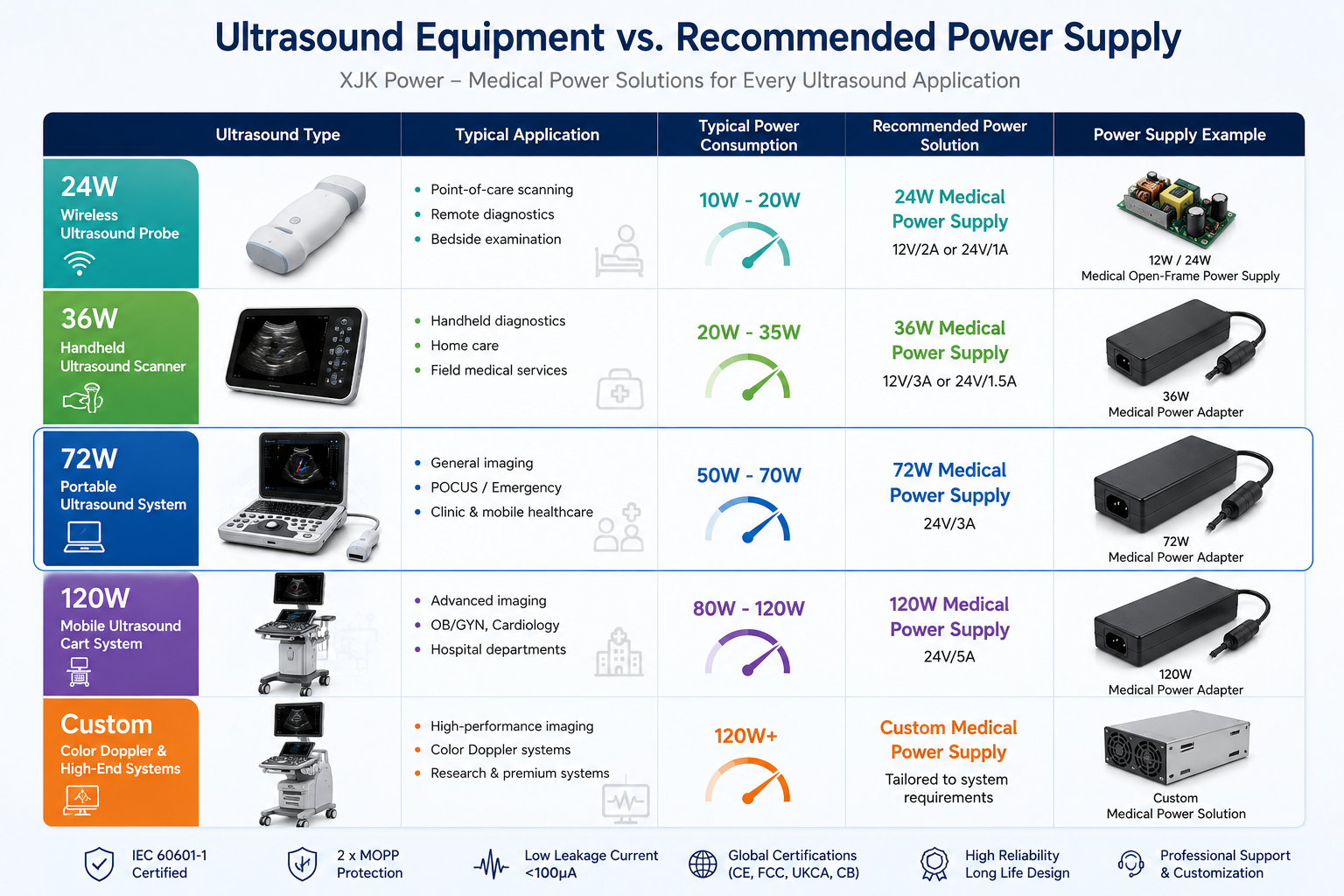
Below is our recommended ultrasound power supply selection guide. Different ultrasound platforms require different power levels.

Ultrasound Equipment TypeRecommended Power Solution
Wireless Ultrasound Probe24W Medical Power Supply
Handheld Ultrasound Scanner36W Medical Power Supply
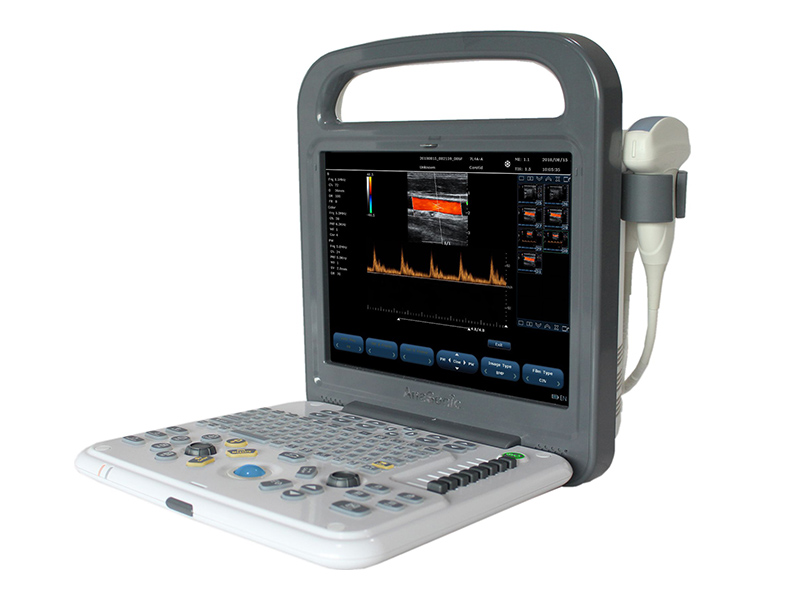
Portable Ultrasound Diagnostic System72W Medical Power Supply
Mobile Ultrasound Cart System120W Medical Power Supply
Advanced Color Doppler Ultrasound PlatformCustom Medical Power Supply

As a professional medical power supply manufacturer, Shenzhen Xinjukang Technology (XJK Power) Co., LTD provides standard and customized medical power solutions ranging from compact low-power adapters to high-power medical-grade platforms for diagnostic, monitoring, imaging, and therapeutic medical equipment.

If you are developing a new ultrasound device or upgrading an existing medical system, our engineering team can help identify the most suitable medical power solution for your application. You may also be interested in a lower-power ultrasound application case.

Share the Post:

Frequently Asked Questions

1. Why is a 72W medical power supply suitable for portable ultrasound systems?

A 72W medical power supply is ideal for portable ultrasound devices because most systems have an average power consumption between 50W and 70W, but require additional headroom for peak imaging loads. The extra power margin ensures stable operation during real-time image processing, data transmission, and probe signal acquisition.


2. What safety standards are required for ultrasound medical power supplies?

Ultrasound equipment typically requires compliance with: IEC 60601-1 medical electrical safety standard, 2 x MOPP isolation protection, Low leakage current requirements, EMC compliance (IEC 60601-1-2), These standards ensure patient safety and system reliability in clinical environments.


3. Why is low leakage current important in ultrasound applications?

Low leakage current is critical because ultrasound probes are in direct contact with patients during operation. A medical power supply with low leakage current reduces electrical risk and improves compliance with international medical safety regulations.


4. How does power supply design affect ultrasound image quality?

Power supply performance directly affects ultrasound system stability and imaging quality. High ripple or electrical noise can interfere with sensitive analog signal processing circuits, leading to:Reduced image clarity, Signal distortion,Poor diagnostic accuracy. A low-noise medical-grade power supply helps ensure stable and accurate imaging performance.


5. Can XJK Power provide custom medical power supply solutions?

Yes. Shenzhen Xinjukang Technology (XJK Power) Co., LTD provides customized medical power supply solutions for ultrasound and other diagnostic equipment.


6. What other power levels are available for ultrasound systems?

Depending on system type, recommended power ranges include: 12W: handheld or basic ultrasound devices, 36W: portable scanners, 72W: diagnostic ultrasound systems, 120W: advanced cart-based systems. XJK Power provides scalable solutions across all these categories.


7. Do you support global medical certifications?

Yes. Our medical power supplies support global certification requirements including: IEC 60601-1, CE, FCC, UKCA, CB Scheme, RoHS. We also provide documentation support to accelerate customer approval processes.

Need a Reliable 72W Medical Power Solution for Your Ultrasound System?

If you are developing a portable ultrasound diagnostic system or upgrading an existing medical imaging platform, a stable and compliant medical power supply is critical for system performance, patient safety, and regulatory approval.

At Shenzhen Xinjukang Technology (XJK Power) Co., LTD, we provide IEC 60601-1 certified medical power supplies ranging from 12W to 120W, including optimized solutions for ultrasound, monitoring, and diagnostic equipment.

Our engineering team can support:

  • Power architecture design for ultrasound systems
  • EMC and leakage current optimization
  • Custom voltage and mechanical design
  • Global certification support (CE / FCC / UKCA / CB)

Support for OEM customization, connector matching, interchangeable plug systems, and healthcare device requirements.

Related Posts

Join Our Newsletter

Subscribe to receive our latest updates in your inbox!

Request a Quote

Leave your requirements and we’ll get back to you within 24 hours.

Stay updated

Subscribe for our fortnightly newsletter with latest power adapter standards and solutions.