1. Why do patient monitoring systems require stable power?
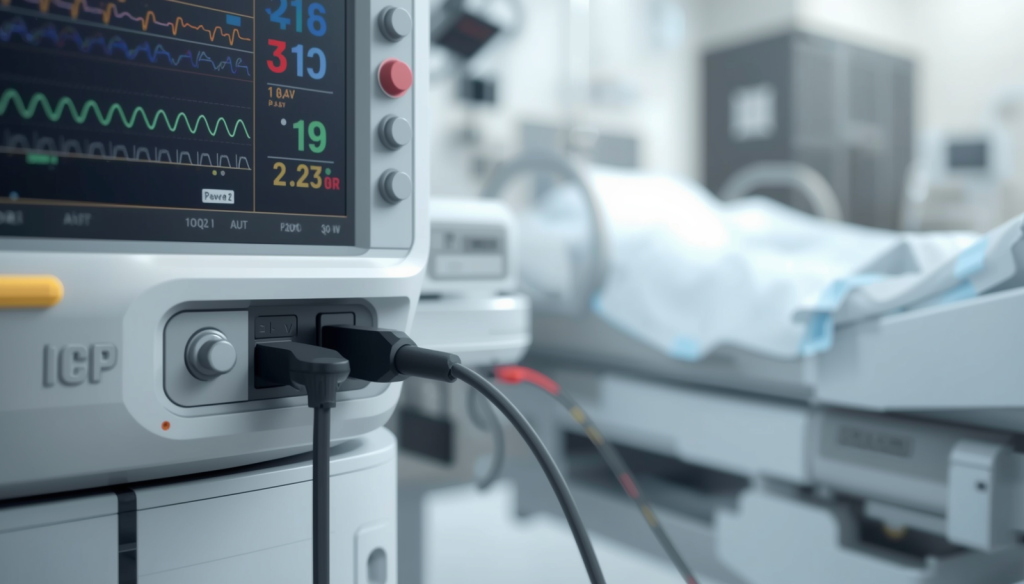
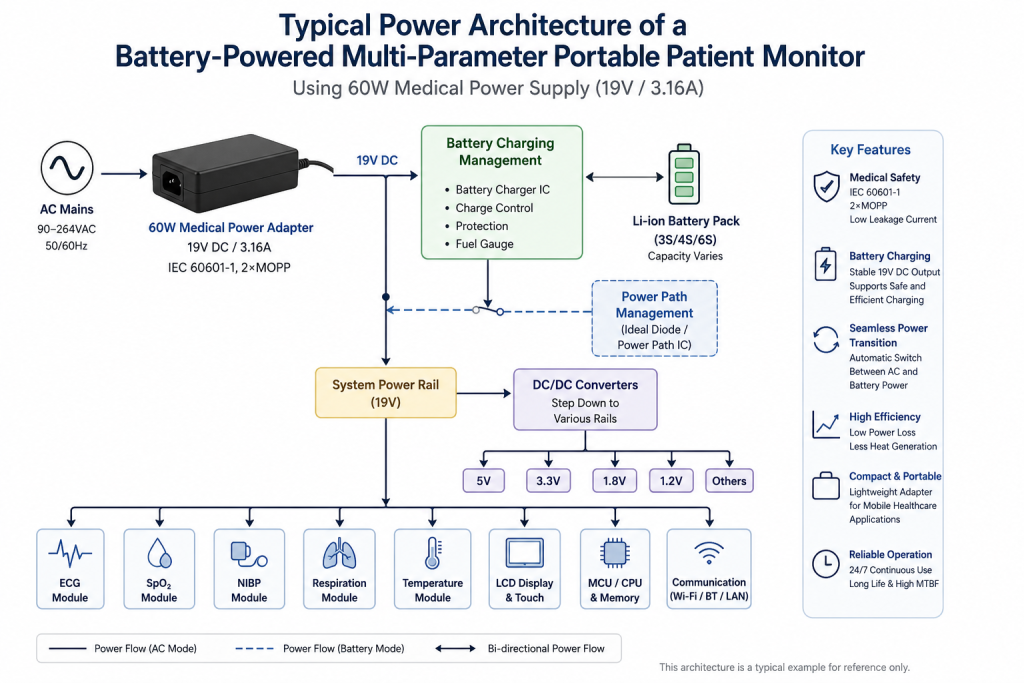
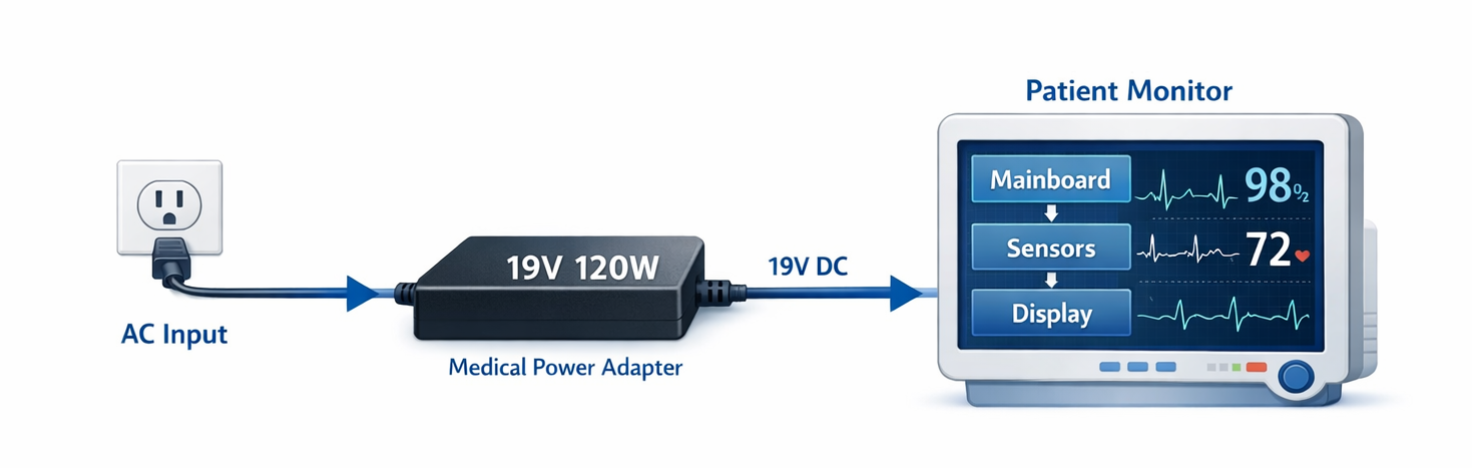
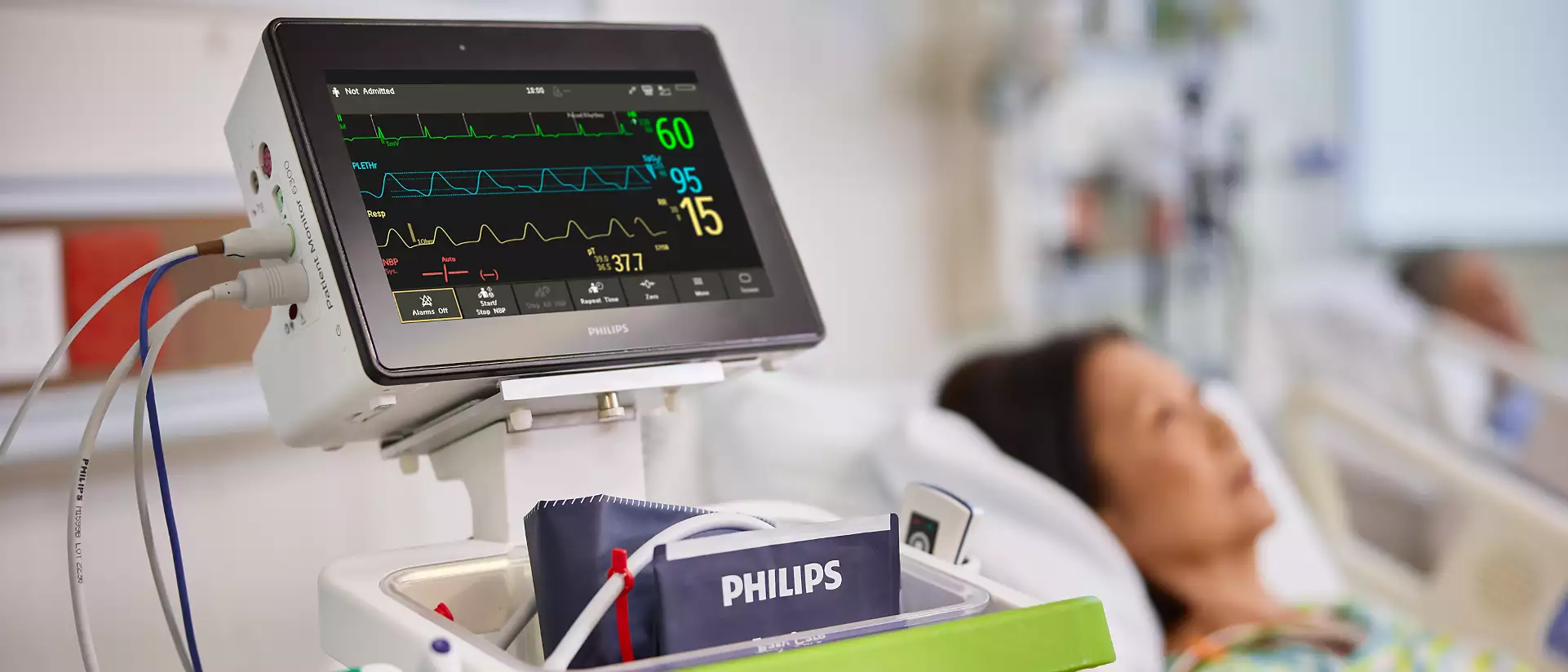
Patient monitoring systems continuously process ECG, SpO₂, blood pressure, respiratory signals, and alarm data while operating displays and embedded computing modules around the clock. Stable power helps maintain system reliability, reduces unexpected shutdown risks, and supports consistent operation during long monitoring cycles. Engineers often evaluate output stability, ripple performance, and long-term thermal behavior when selecting a power solution for monitoring equipment.
2. Does ripple noise affect patient monitoring performance?
Yes. Excessive ripple noise may interfere with sensitive electronics used in signal acquisition, embedded processing, and display systems. Although monitoring equipment includes filtering and system-level design protections, engineers generally prefer stable, low-noise power solutions to improve long-term operating consistency and reduce electrical interference risks.
3. Why do many patient monitoring systems use 19V input?
Many monitoring systems integrate embedded computing platforms, medical displays, and industrial-style electronics that commonly operate around 19V DC input. Compared with lower-voltage architectures, 19V helps reduce operating current at similar power levels, which simplifies connector design, thermal management, and internal power distribution in compact medical devices.
4. Why use an external medical power adapter instead of an internal power supply?
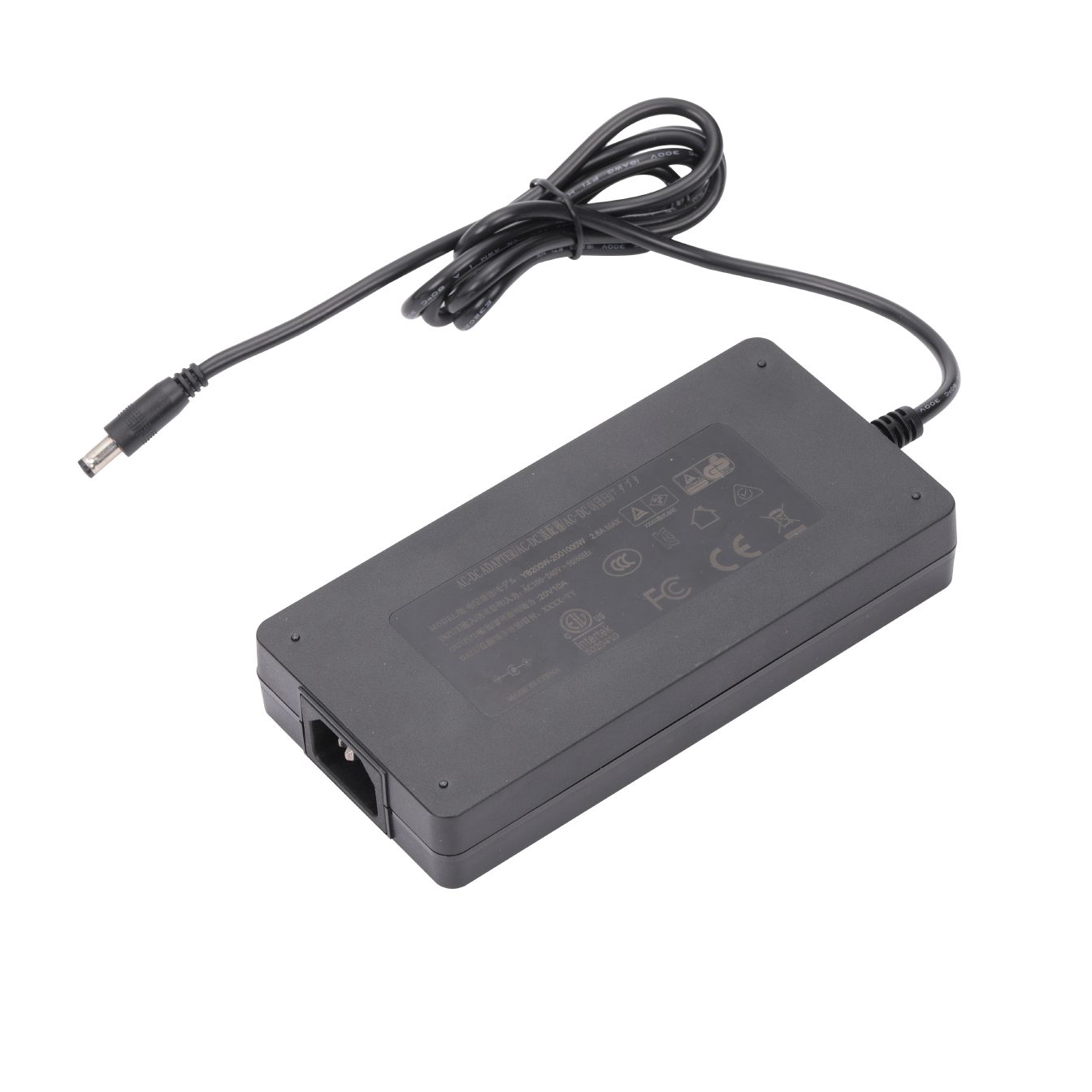
External power adapters move heat generation outside the monitoring enclosure, which helps reduce internal thermal stress and simplify system integration. For portable or bedside monitoring systems, external adapters also make maintenance easier and provide greater flexibility during product development and deployment.
5. How much power margin should engineers reserve for patient monitoring systems?
Power margin depends on system configuration, including display size, embedded processors, sensor modules, communication interfaces, and peripheral devices. Engineers commonly evaluate peak load conditions and reserve additional power capacity to improve long-term reliability and thermal performance during continuous operation.
6. Can XJK Power customize medical power adapters for monitoring equipment?
Yes. Shenzhen Xinjukang Technology (XJK Power) Co., LTD supports OEM and ODM customization including output voltage, connector type, cable length, plug configuration, labeling, and application-oriented power design based on project requirements for healthcare equipment.
7. What should engineers consider when selecting a power adapter for patient monitoring equipment?
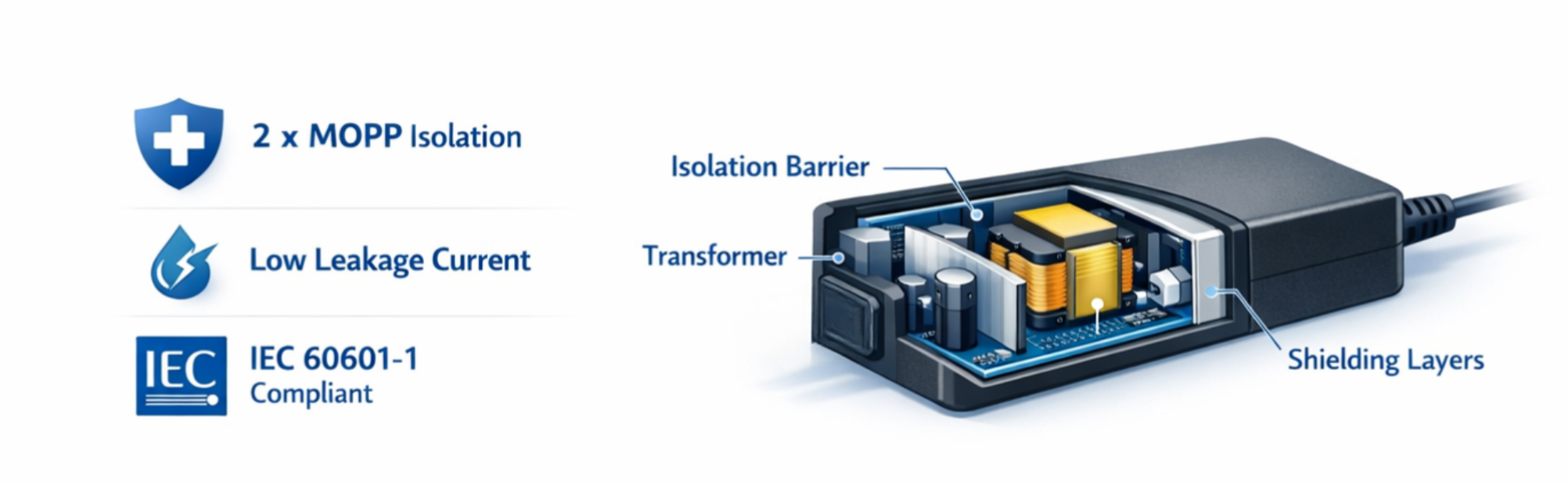
When selecting a power adapter for patient monitoring systems, engineers typically evaluate voltage compatibility, power margin, ripple performance, connector reliability, thermal behavior, long-term operating stability, and integration requirements. For healthcare-related applications, low leakage current design and safety-oriented electrical architecture are also common considerations during development.